
From testing our coastal waters to ensuring that runoff stays in your garden to reducing plastic pollution, Surfrider's programs help ensure that our marine ecosystems are protected.

From post-fire water quality monitoring to fire-resilient landscaping, the Maui Chapter is committed to the long-term recovery of our community.
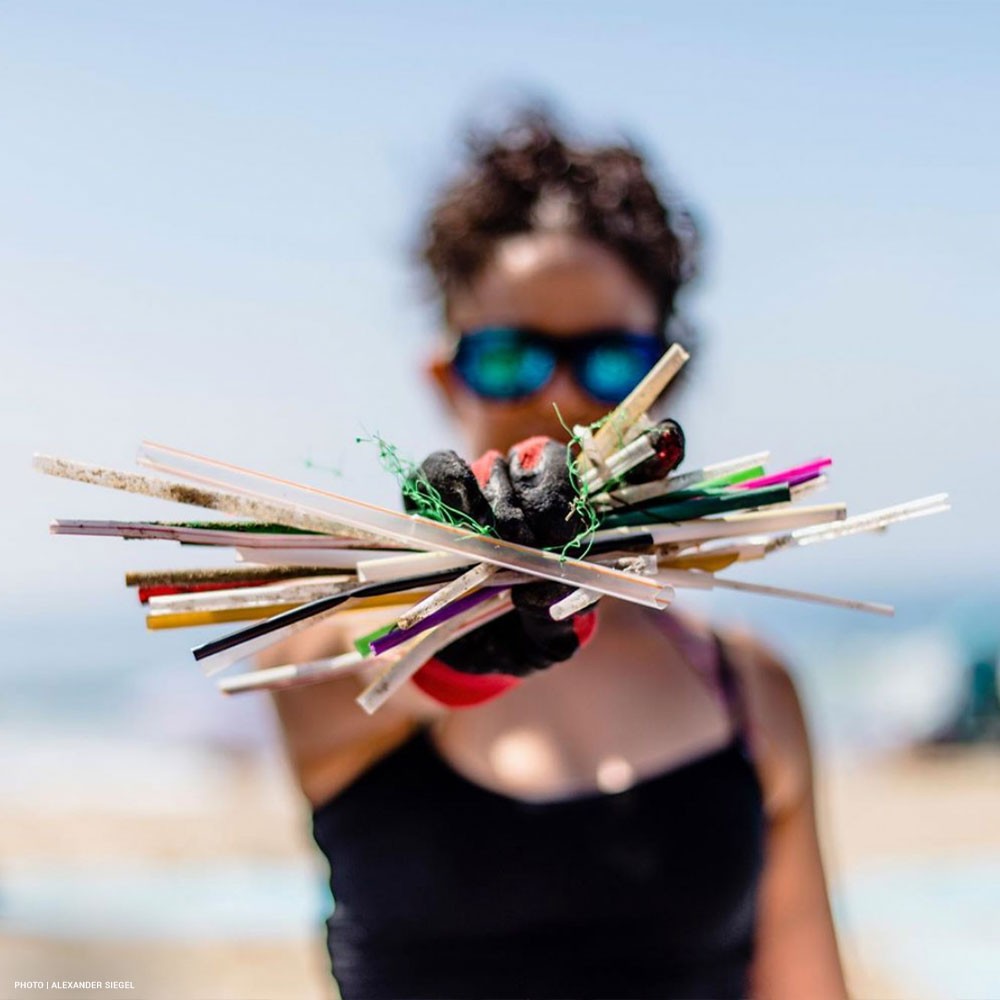
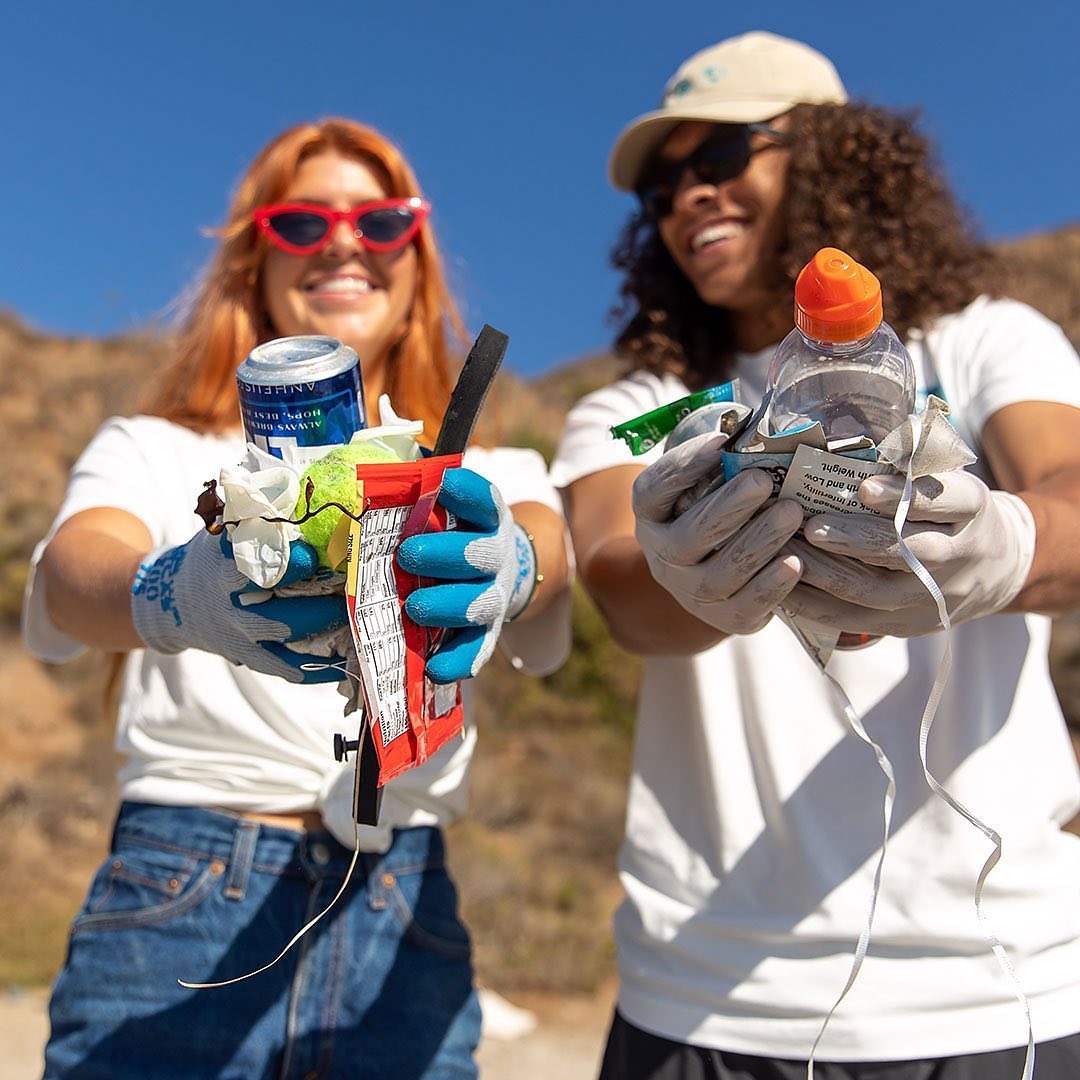
A Surfrider Foundation program to tackle the ocean litter issue – primarily caused by plastic pollution - through education for action, community science, and campaigns. We are all part of the solution and together we can restore our coastlines, one beach at a time.


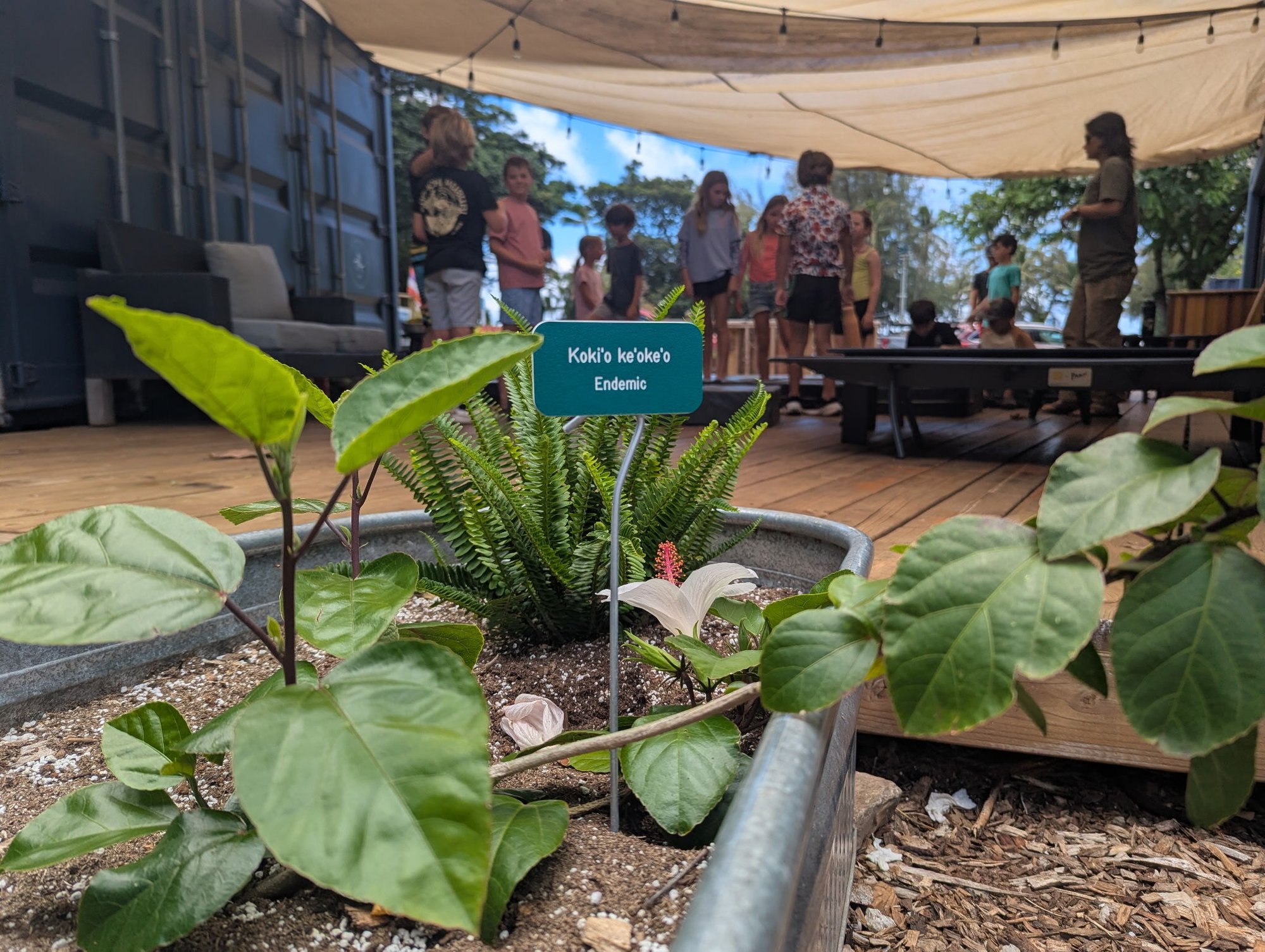
OFG standards use a nature-based approach everywhere possible: contouring landscapes for rainwater retention; creating living soil to sponge up water, filtering pollution, sequestering carbon; and planting native & culturally significant plants to create wildlife habitat and a sense of place.
We also have resources about fire-resilient landscaping.
Did you know? Maui County has an ordinance that requires food establishments to follow an "upon request" practice with all disposable utensils and straws. Restaurants can actually save money by only offering utensils and/or straws upon request.


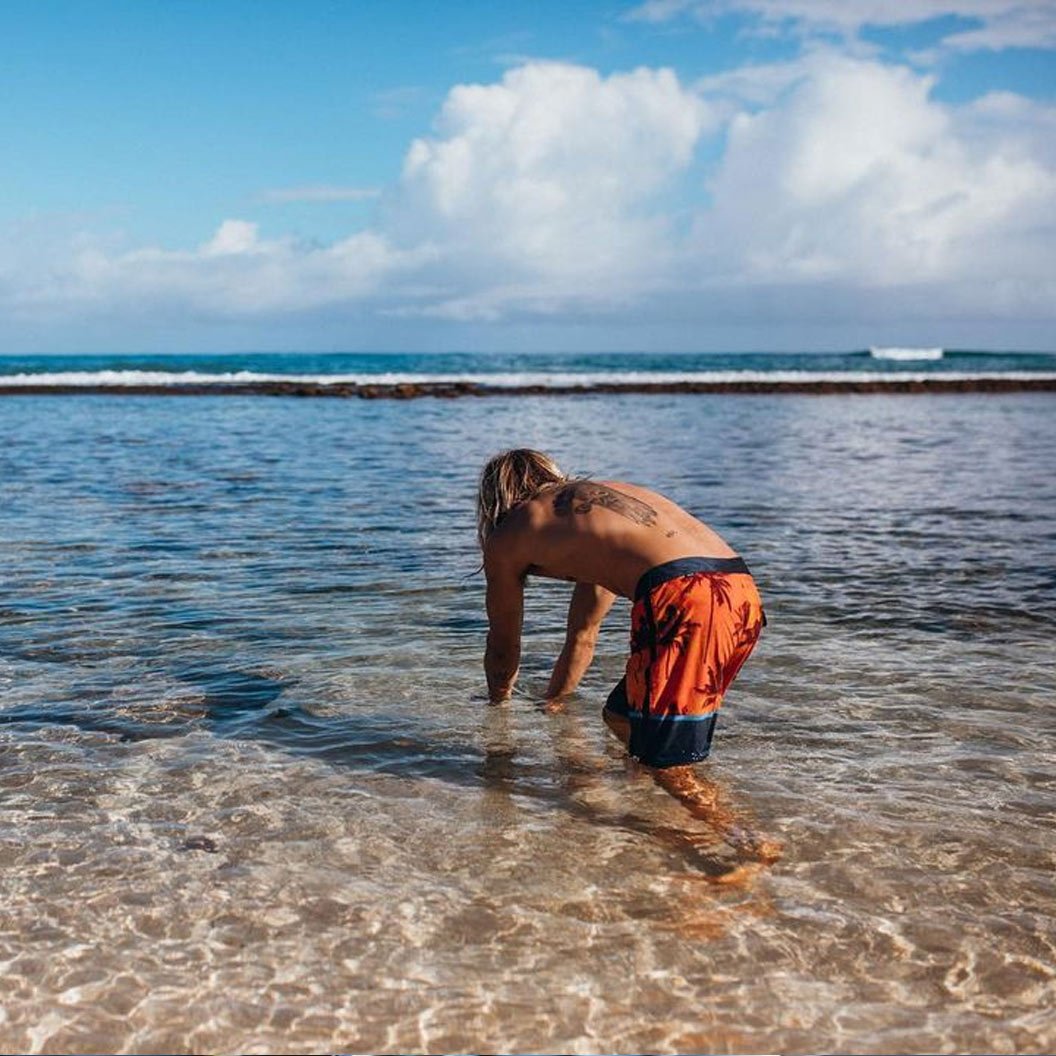
The Blue Water Task Force (BWTF), is the Surfrider Foundations volunteer-run, water testing, education and advocacy program. Our chapters use this program to alert the public and officials in their communities about water quality problems and to work toward solutions.
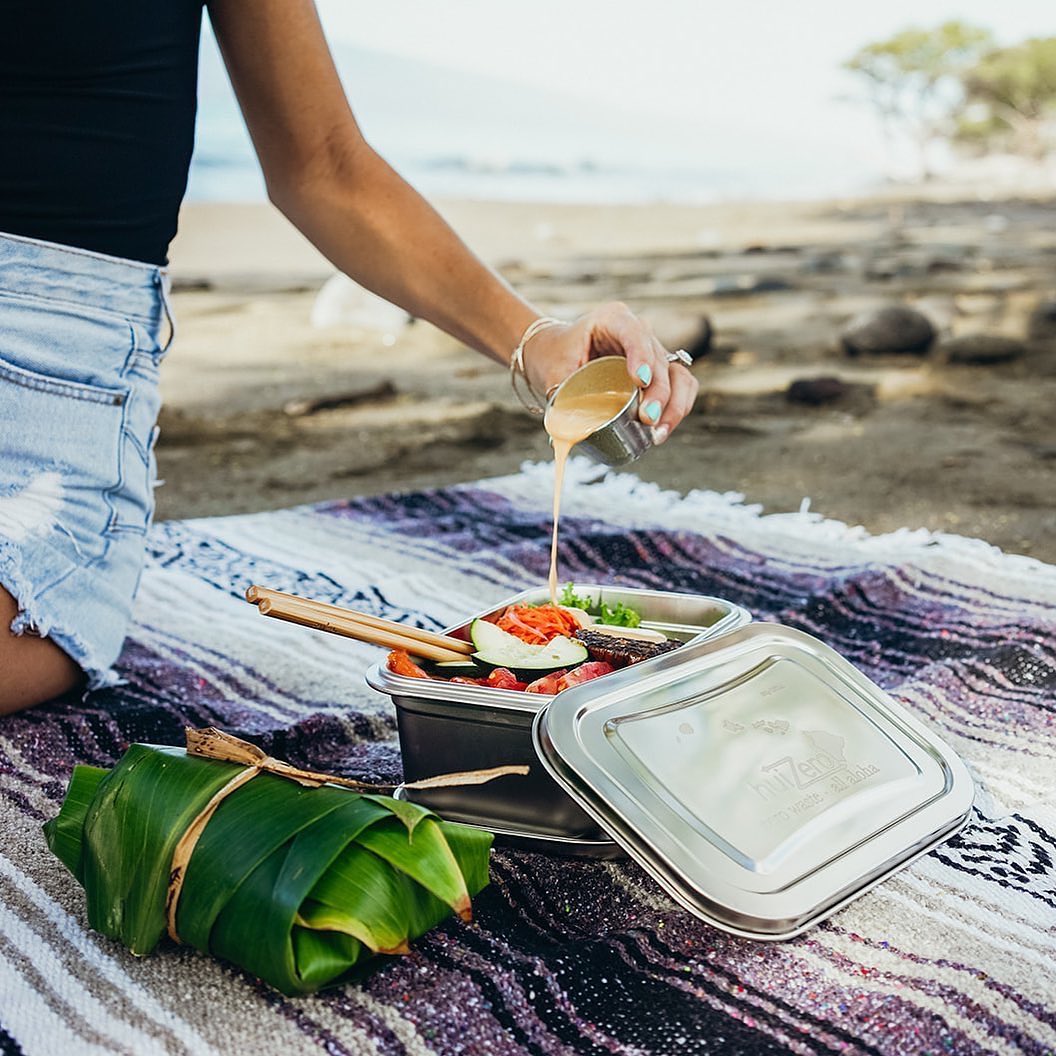
The Surfrider Foundation’s Ocean Friendly Restaurants program tackles plastic pollution at its source. One restaurant, one customer at a time, it increases awareness, drives behavior change, and ultimately creates scalable impact to reduce our plastic footprint.


Do you have a beach access issue to report on Maui?
Please use our access reporting form to help us get all the information we need to look into the issue; please email photos of the access issue you’re reporting to chair@maui.surfrider.org
Our Student Club Network creates a platform to meet the demand by young people for opportunities to influence environmental action through service, leadership development, civic engagement and direct action organizing. This network focuses on the development and implementation of environmental stewardship projects – at schools, campuses and in local communities.